


Optimizing Offshore Sand Control
Let’s Work Together
Call us directly, submit a sample or email us!
Address Business
Ocean tower 2, Unit 23 floor, 75/46 Soi Sukhumvit 19 (Wattana), Sukhumvit Road, North Klongtoey, Wattana, Bangkok 10110
Contact Us
Call : +66994200465 |
+66 2 258 6228
Email : info@techcurve.co | sales@techcurve.co
+66 2 258 6228
Email : info@techcurve.co | sales@techcurve.co
Working Time
Monday – Friday
8:30hrs – 17:30hrs
8:30hrs – 17:30hrs

Company Background
Chevron Thailand Exploration and Production, Ltd. operates an extensive offshore wellhead platform network in the Gulf of Thailand. With over 100 active platforms, maintaining mechanical integrity in high-sand production environments is a continuous operational priority.
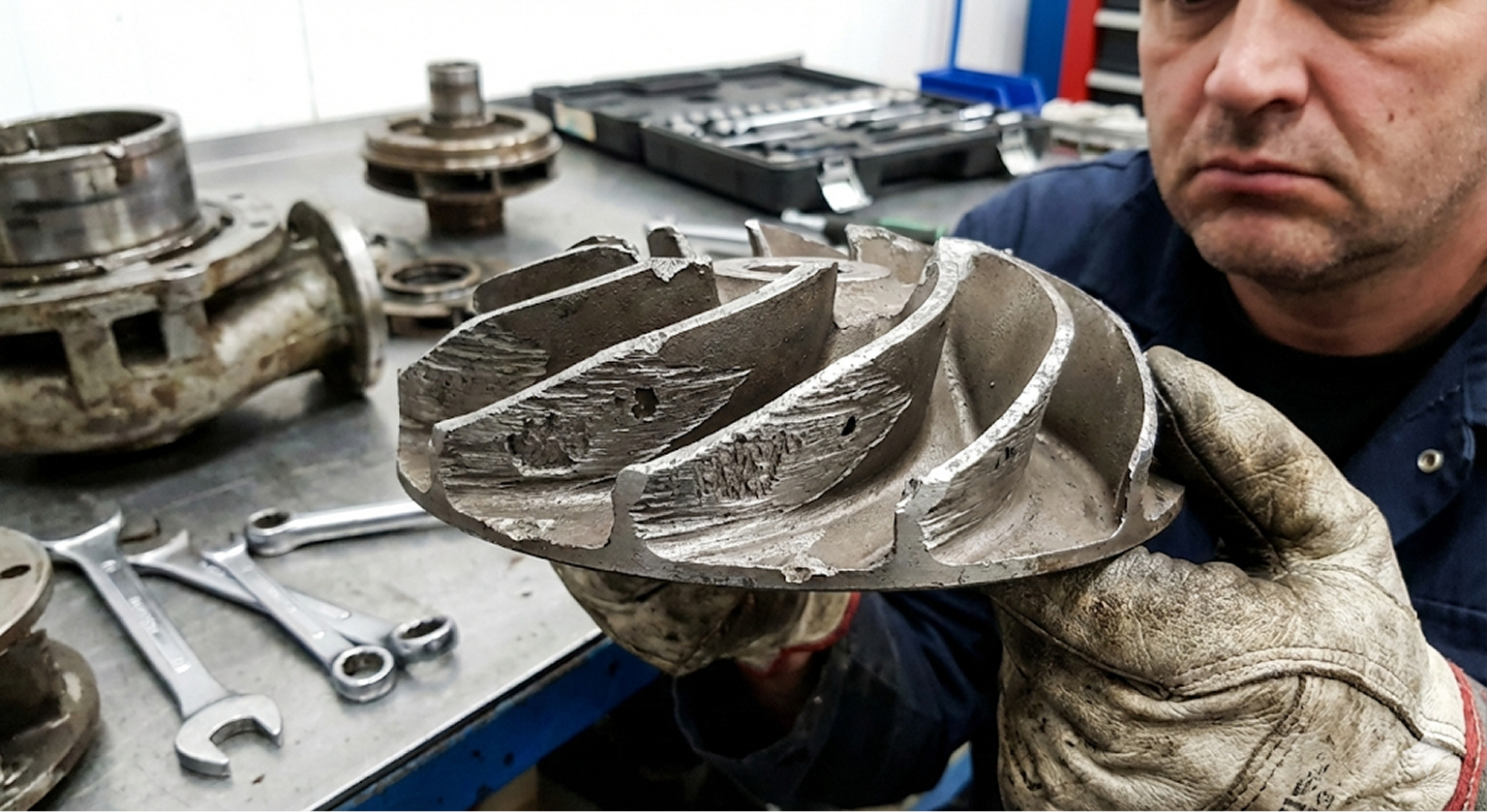
Sand production is a known challenge in mature offshore reservoirs and directly impacts pumps, hydrocyclones, separators, and downstream compression systems.
Sand production is a known challenge in mature offshore reservoirs and directly impacts pumps, hydrocyclones, separators, and downstream compression systems.
Challenges
Sand ingress into upstream systems created recurring reliability and performance issues:
- Accelerated erosion of pumps and piping
- Increased vibration in rotating equipment
- Reduced hydrocyclone separation efficiency
- Manual sand cleanout campaigns
- High offshore workforce exposure
- Manual inspection routines
- Reactive vibration analysis
- Disconnected historian systems
- Limited real-time insight into hydrocyclone performance
Solution
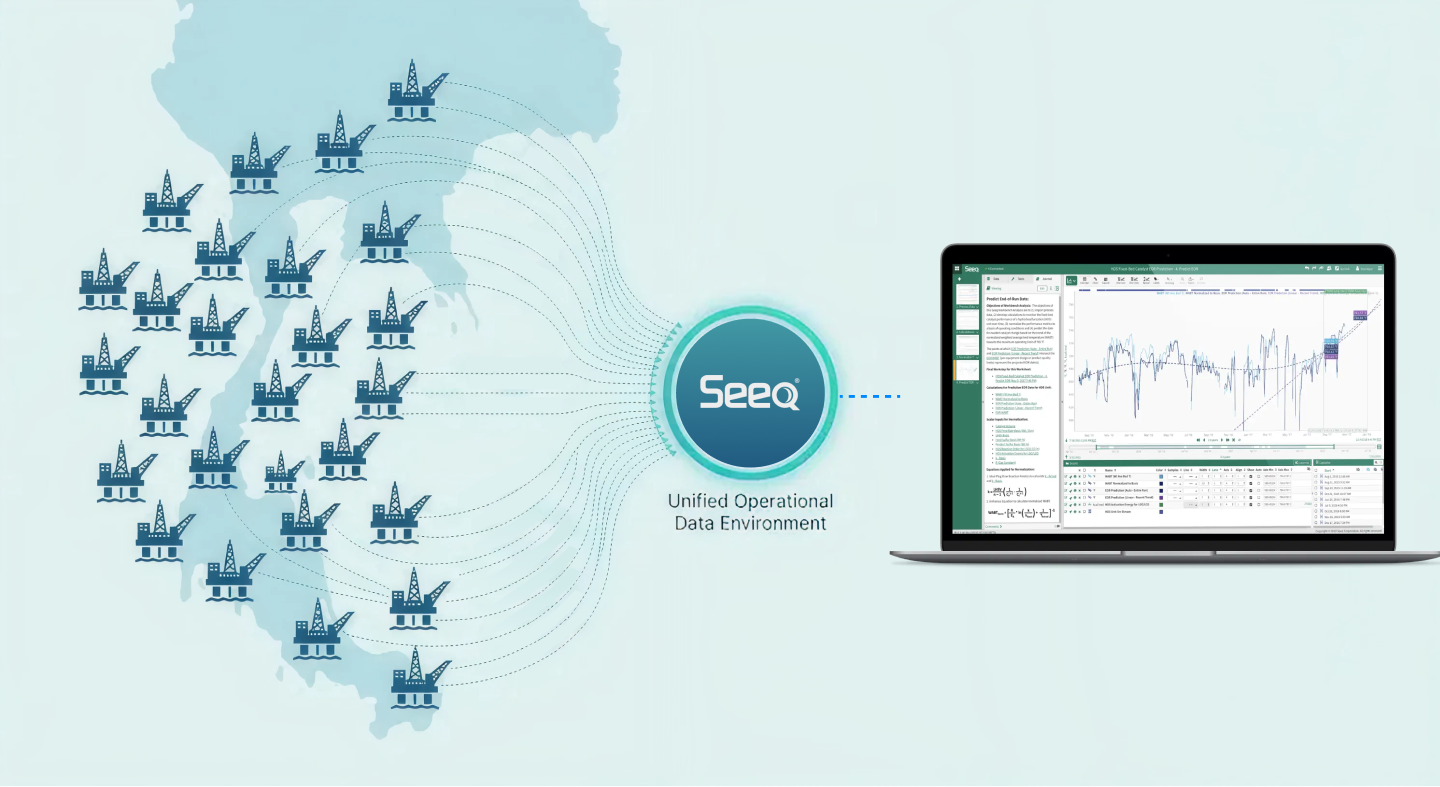
Chevron implemented a centralized analytics framework using Seeq to connect and contextualize sand-related operational data from multiple offshore process historians.
1.Historian Integration
Data streams including:
Data streams including:
- Pump vibration
- Flow rates
- Pressure differentials
- Choke positions
- Hydrocyclone parameters
2. Self-Service Analytics
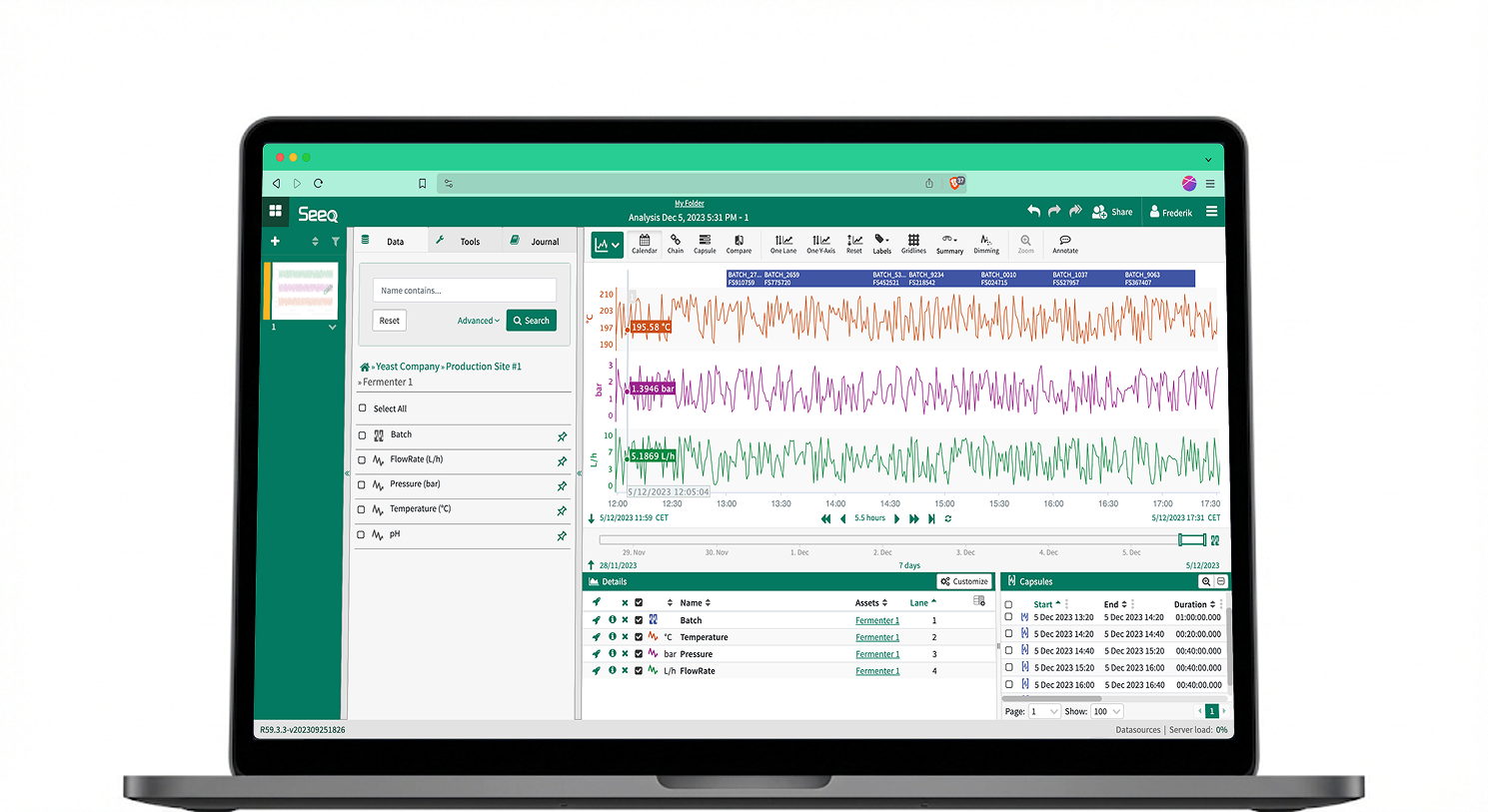
Using Seeq Workbench, production and reliability engineers developed their own sand monitoring models without reliance on data science teams. Key analytics included:
Using Seeq Workbench, production and reliability engineers developed their own sand monitoring models without reliance on data science teams. Key analytics included:
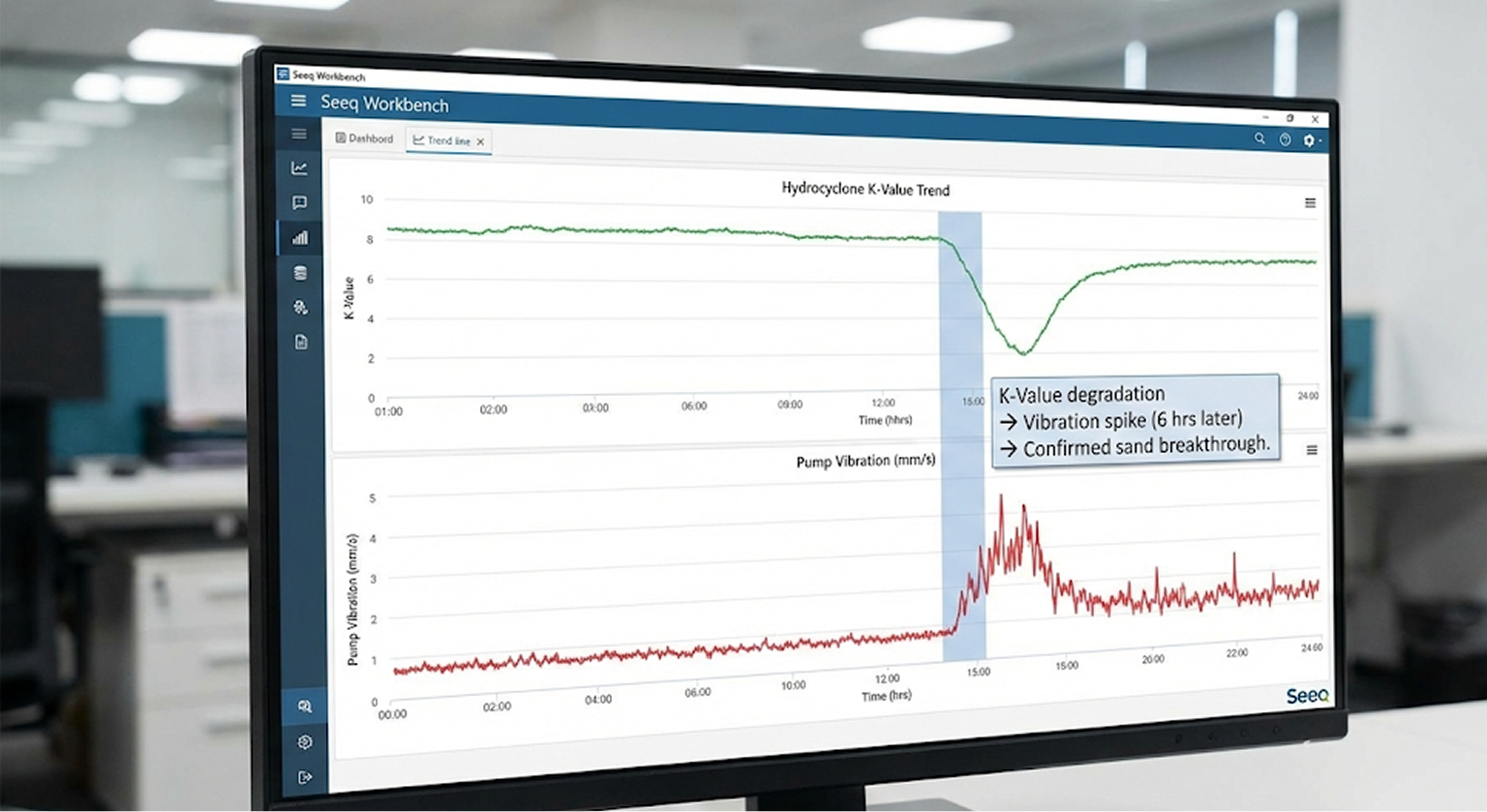
- Custom hydrocyclone “K-value” performance calculations
- Correlation of vibration spikes with sand breakthrough events
- Differential pressure trend monitoring
- Event analysis of historical sand-related failures
3. Proactive Sand Control
Real-time dashboards were deployed to the Integrated Operations Centre, enabling:
Real-time dashboards were deployed to the Integrated Operations Centre, enabling:
- Early detection of sand breakthrough
- Optimized choke management
- Stabilized hydrocyclone efficiency
- Reduced erosion risk
Benefits
Operational Efficiency
- Reduced unnecessary sand cleanout interventions
- Improved hydrocyclone separation stability
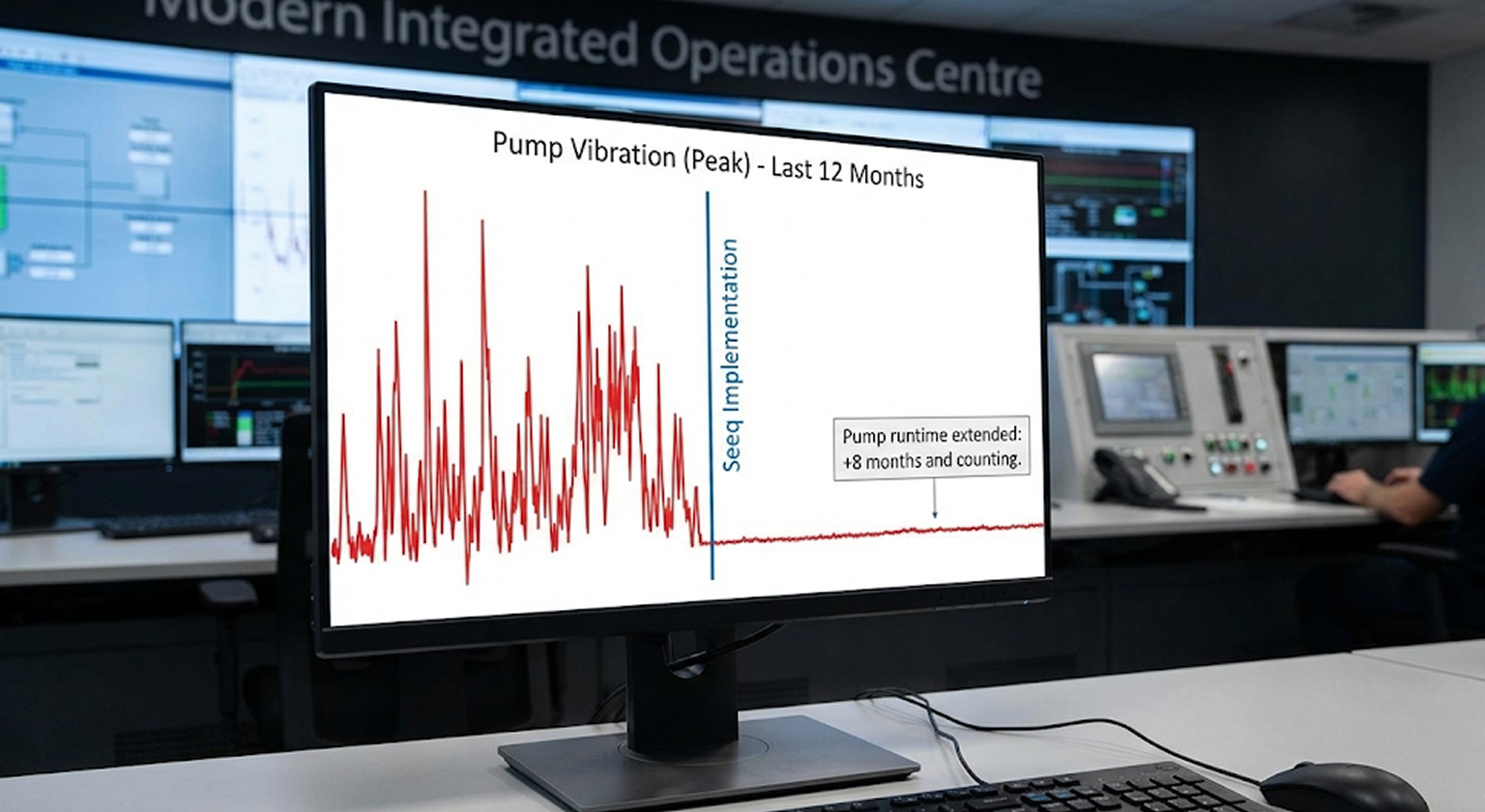
- Extended pump runtime
Asset Reliability
- Lower vibration levels in upstream pumps
- Reduced erosion-related equipment damage
- Early detection of sand breakthrough events
- Reduced offshore helicopter trips and personnel exposure
- Lower material replacement frequency due to extended equipment life
- Unified visibility across 100+ platforms
- Eliminated manual historian data extraction
- Empowered engineers with self-service analytics capabilities
Cost Saving
Extended pump runtime, avoided erosion damage, and reduced offshore intervention campaigns generated significant operational cost reduction.
To understand the quantified impact model — including avoided equipment replacement, reduced downtime, and offshore manpower savings — connect with us to review the cost-saving assessment methodology.
To understand the quantified impact model — including avoided equipment replacement, reduced downtime, and offshore manpower savings — connect with us to review the cost-saving assessment methodology.